Thai food is no longer just a favorite takeout cuisine or a beloved comfort dish. In 2025, it stood proudly on the world’s finest tables — not as a trend, but as a culinary philosophy. This year’s Michelin Guide didn’t just celebrate taste — it celebrated Thai identity, diversity, and transformation.
What’s most remarkable? Each Michelin-starred Thai restaurant tells a different story. Some honor ancient royal traditions. Others revive lost family recipes. A few reimagine the entire language of Thai food altogether.
Let’s step inside the kitchens where Thai cuisine isn’t just preserved — it’s being reinvented.
Sorn (3 Stars): Southern Thai, Fully Arrived
This year, Sorn became the first restaurant in Thailand to earn three Michelin stars — a historic moment, not just for Chef Ice Jongsiri, but for Thai cuisine itself. His menu is a masterclass in regional pride, with ingredients sourced from southern provinces, clay-pot jasmine rice, and aged fish curries that carry the soul of tradition, yet plated with modern refinement.
It’s a reminder: Thai food is as complex, as terroir-driven, and as ceremonial as any French or Japanese counterpart.
Baan Tepa (2 Stars): Thailand’s First Female Chef with Two Stars
In a quiet compound near Ramkhamhaeng, Chef Tam (Chudaree Debhakam) is changing how we think about Thai food — and who creates it. Her farm-to-table tasting menus aren’t just delicious. They’re deeply personal, sustainable, and seasonal. You won’t find grand palace recipes here. Instead, you’ll taste the forest, the soil, and the philosophy behind every leaf and root.
She’s the first Thai woman to earn two stars — and proof that the future of Thai cuisine is not just traditional. It’s female, conscious, and rooted in the land.
Potong (1 Star): Where Thai-Chinese Memory Meets Michelin Precision
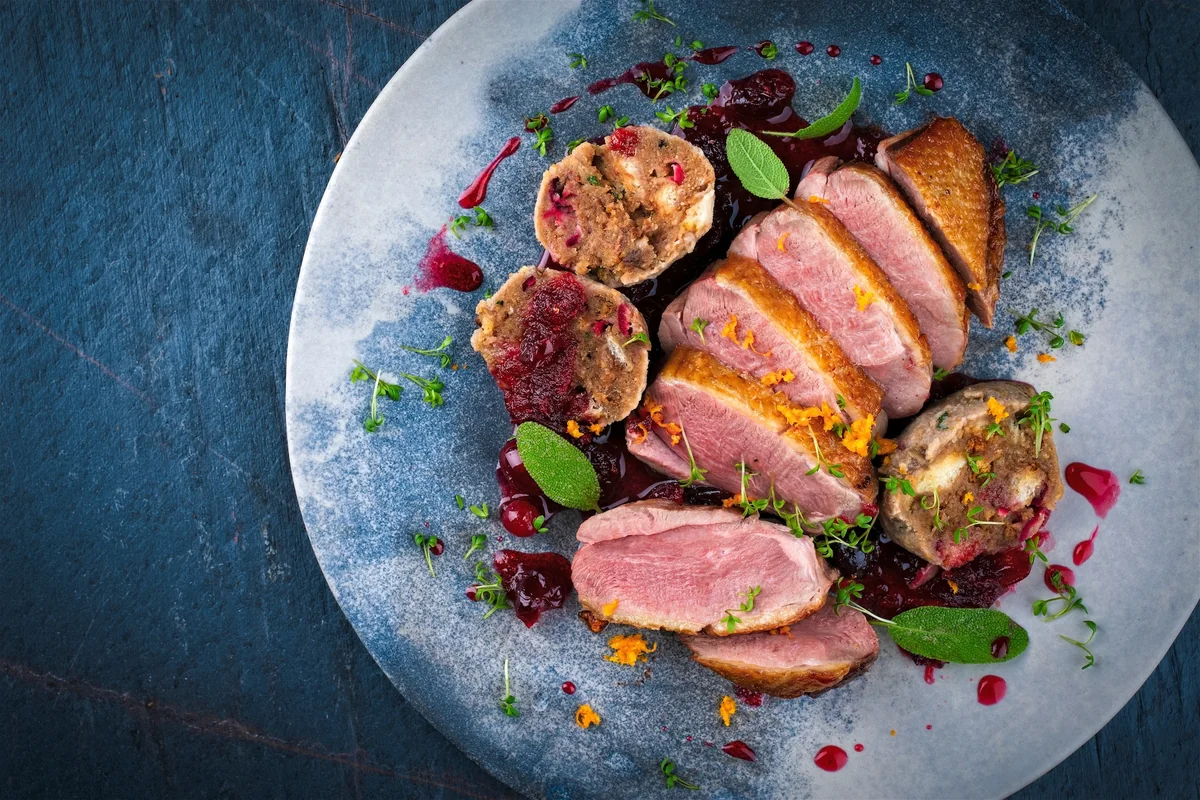
Chef Pam’s Potong, set in her family’s old apothecary in Chinatown, is a time capsule turned modern icon. Each dish — like duck breast with five-spice and fermented rice — tells a story of Thai-Chinese heritage, interpreted through avant-garde technique.
Pam was named Asia’s Best Female Chef 2025, and it’s easy to see why: she blends emotion, discipline, and identity into every bite. This is more than fusion. It’s a conversation between generations.
Samrub Samrub Thai (1 Star): Thai Cuisine’s Memory Keeper
This intimate restaurant doesn’t have a fixed menu — it has a mission. Chef Prin Polsuk and Mint Jarukittikun revive forgotten Thai dishes, sometimes tracing recipes back to centuries-old texts or regional oral histories. Menus like Fisherman Samrub and Burapa are immersive journeys through taste and time.
It’s a Michelin-starred lab of living Thai culinary history — without the pretension, but full of meaning.
R-Haan (2 Stars): Royal Cuisine, Reimagined for Today
If Thai food had a grand dining hall, it would be R-Haan. Think of it as the culinary equivalent of a silk-clad cultural performance — but edible. With a strong foundation in royal court recipes, R-Haan uses modern presentation to bring these timeless dishes into today’s luxury experience.
Their two Michelin stars speak not only to technique, but to storytelling. Every dish feels like it belongs in a museum — and a memory.

Final Bite
What unites these restaurants isn’t just Michelin stars — it’s the sense that Thai food no longer has to prove itself on the global stage. It has arrived. Authentically. Boldly. And on its own terms.