
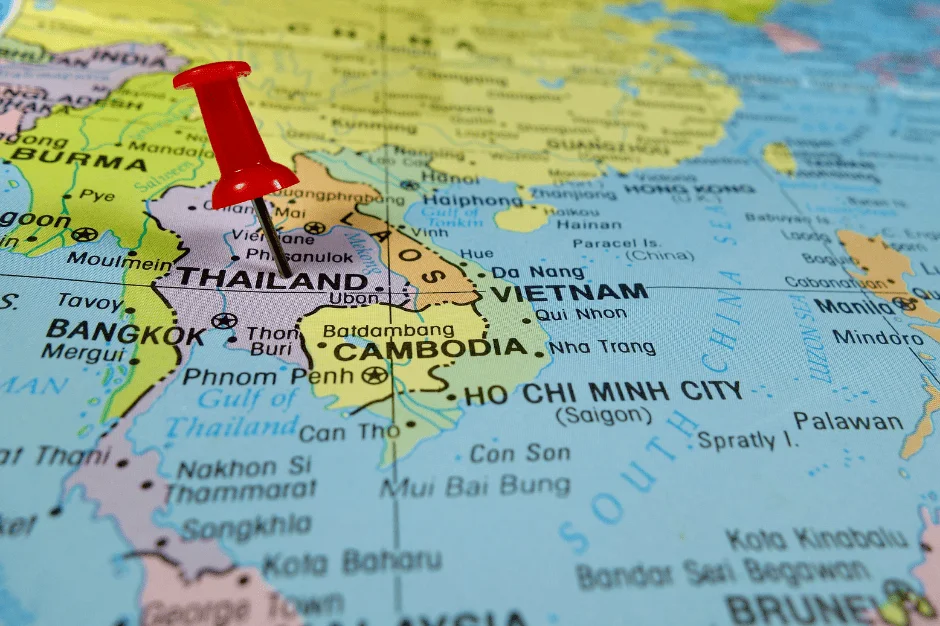
The Ultimate Guide to Moving to Thailand: Your Roadmap to a Tropical Life
So, you’ve been dreaming of swapping the morning commute for a sunrise over the Andaman Sea? You aren't alone. Whether it’s the allure of world-class street food, the legendary hospitality, or the fact that your cost of living can drop significantly while your quality of life skyrockets, moving to Thailand is a dream shared by thousands of expats every year.
Key Takeaways
- Visa Variety: There is no "one size fits all." From the LTR Visa for professionals to the Retirement Visa, choosing the right entry point is the most critical step.
- Family Friendly: Moving to Thailand with kids is highly feasible thanks to world-class international schools and a culture that deeply values children.
- Location Matters: Whether it's the bustle of Bangkok, the digital nomad hub of Chiang Mai, or the luxury of Phuket, your location dictates your lifestyle.
- Permanent Options: To move to Thailand permanently, you’ll likely start with long-term visas before exploring Permanent Residency (PR) options.
- Financial Planning: While cheaper than the West, "getting paid to move" usually means bringing your own remote job or business with you.
- Luxury Living: High-end accommodation is surprisingly accessible; you can explore our luxury penthouses to see the level of comfort available.
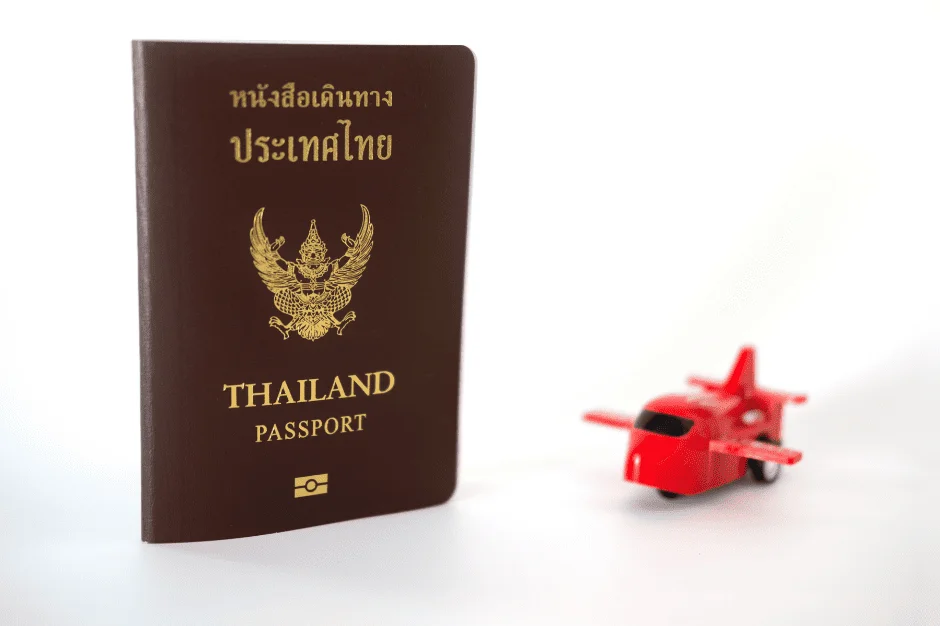
Understanding the Allure: Why Move to Thailand?
Thailand isn't just a travel destination; it's a lifestyle choice. For many, the decision to move stems from a desire for a slower pace of life without sacrificing modern conveniences. You get high-speed internet, top-tier healthcare, and luxury shopping malls, all situated just a short drive from ancient temples and pristine beaches.
When we talk about moving to Thailand, we’re talking about a country that has perfected the art of "Sabai Sabai"—a state of being relaxed and content. But to get to that state of relaxation, you first have to handle the logistics.

How to Move to Thailand Permanently: Navigating the Visa Maze
The question most people ask first is: "How can I stay forever?" While Thailand doesn't have a "Green Card" system exactly like the U.S., there are several paths to long-term residency.
The Long-Term Resident (LTR) Visa
Launched to attract "high-potential" foreigners, the LTR visa is a game-changer. It offers a 10-year stay, tax breaks, and a smoother process at the airport. It's aimed at wealthy global citizens, retirees, and remote professionals working for large corporations.
The Retirement Visa (Non-Immigrant O-A or O)
If you are over 50, this is the most common path. You’ll need to prove a certain level of savings in a Thai bank or a steady monthly pension. It allows you to live the quiet life in places like Hua Hin or Chiang Mai with relatively little red tape.
The Marriage and Family Visa
If you are married to a Thai national, you can apply for a "Marriage Visa." This path is often the first step for those looking at how to move to Thailand permanently, as it can eventually lead to Permanent Residency and even Citizenship.
Moving to Thailand from Europe vs. Moving as an American
While the destination is the same, the preparation can differ based on where you’re coming from.
Moving to Thailand as an American
For Americans, the biggest hurdle is often administrative. One unique benefit is the US-Thai Treaty of Amity, which makes it easier for Americans to start a business in Thailand compared to other nationalities. However, you must keep in mind that the U.S. taxes citizens on worldwide income, so you'll still be filing with the IRS even while sipping coconuts in Samui.
Moving to Thailand from Europe
For those moving to Thailand from Europe, the shift in climate and culture is often the biggest adjustment. Many Europeans gravitate towards the islands or the southern coast. The move usually involves navigating the specific requirements of your home country’s pension or social security office to ensure your benefits can be received abroad.
Moving to Thailand with Kids: Education and Lifestyle
Is Thailand a good place for a family? Absolutely. In fact, many parents find that their children have a more active, outdoorsy, and culturally rich upbringing here than they would back home.
International Schools
Thailand, particularly Bangkok and Phuket, boasts some of the best international schools in Asia. Whether you want the British Curriculum, IB, or an American style of schooling, you’ll find it here. These schools often serve as the "hub" for expat social life.
Health and Safety
Thailand is generally very safe for families. Private healthcare is exceptional—often better and faster than what you’d find in Europe or the U.S. Hospitals like Bumrungrad or Bangkok Hospital feel more like five-star hotels than medical facilities.
Can You Truly "Get Paid to Move to Thailand"?
You might have seen clickbait headlines about how to get paid to move to Thailand. While the Thai government doesn't typically hand out checks to new residents, there are ways to make the move financially lucrative.
- Digital Nomadism: Many people move here while keeping their Western salaries. Because the cost of living is lower, you effectively "give yourself a raise."
- Teaching English: This is the classic route. While it won't make you wealthy, it provides a work permit, a steady income, and a deep immersion into the culture.
- BOI Companies: If you work for a company promoted by the Board of Investment, you can enjoy significant tax advantages and easier visa processing.

Finding Your Home From Tropical Villas to City Penthouses
Where you live will define your Thai experience. Are you a city dweller who loves the neon lights and 24-hour energy? Or do you want to wake up to the sound of the ocean?
For many expats, the ultimate dream is a high-rise sanctuary. At Thailand Penthouses, we specialize in finding properties that offer more than just a place to sleep they offer a lifestyle. Imagine a private pool overlooking the Bangkok skyline or a terrace that catches the sea breeze in Phuket.
Practical Considerations: The "Boring" But Important Stuff
Cost of Living
While you can live on $1,000 a month in a rural area, most Western expats find that $2,500 to $5,000 a month allows for a very comfortable, "upper-middle-class" lifestyle, including a nice condo, dining out, and travel.
The Language Barrier
In major cities, you can get by with English. However, learning basic Thai goes a long way. It’s the difference between being a "tourist" and being a "resident." Thais deeply appreciate the effort, and it will open doors for you—both socially and in business.
Banking and Logistics
Opening a bank account can be tricky on a tourist visa, but once you have a long-term visa, it’s straightforward. Apps like Wise (formerly TransferWise) are essential for moving money into the country with minimal fees.
Settling In: The First 90 Days
The first three months are a whirlwind. You’ll be dealing with "90-day reporting" (a requirement for most long-term visas), figuring out which grocery stores carry your favorite cheese, and learning how to use Grab (the local version of Uber/UberEats).
Pro-Tip: Don't try to do everything at once. Thailand moves at its own pace. Embrace the "Mai Pen Rai" (no worries) attitude, and you’ll find the transition much smoother.
FAQ: Frequently Asked Questions about Moving to Thailand
Is it expensive to move to Thailand?
The move itself (flights, shipping, initial visa fees) can cost a few thousand dollars. However, once you are there, your daily expenses will likely be much lower than in the West.
Can I buy property in Thailand?
Foreigners can own condominiums (and penthouses) in their own name, provided the building has "foreign freehold" quota available. You cannot, however, own land directly in your own name.
What is the best city for expats?
- Bangkok: For career-driven individuals and urbanites.
- Chiang Mai: For digital nomads and those who love the mountains.
- Phuket/Samui: For those who want the beach lifestyle and luxury villas.
Is healthcare free for expats?
No, but it is affordable. Most expats carry private health insurance to ensure they have access to the best private hospitals.
Can I move to Thailand with my pets?
Yes! Thailand is relatively pet-friendly. You’ll need to follow specific vaccination and import permit protocols, but bringing your dog or cat is a standard process.
Conclusion: Your New Chapter Awaits
Moving to Thailand is a bold, life-changing decision. It’s a country that offers a unique blend of chaos and calm, tradition and modernity. Whether you’re coming here to retire, to raise a family, or to build a business, the key is preparation and an open mind.
Ready to start looking for your dream home in the Land of Smiles? Explore our curated selection of our penthouses to find a space that matches your ambitions.